
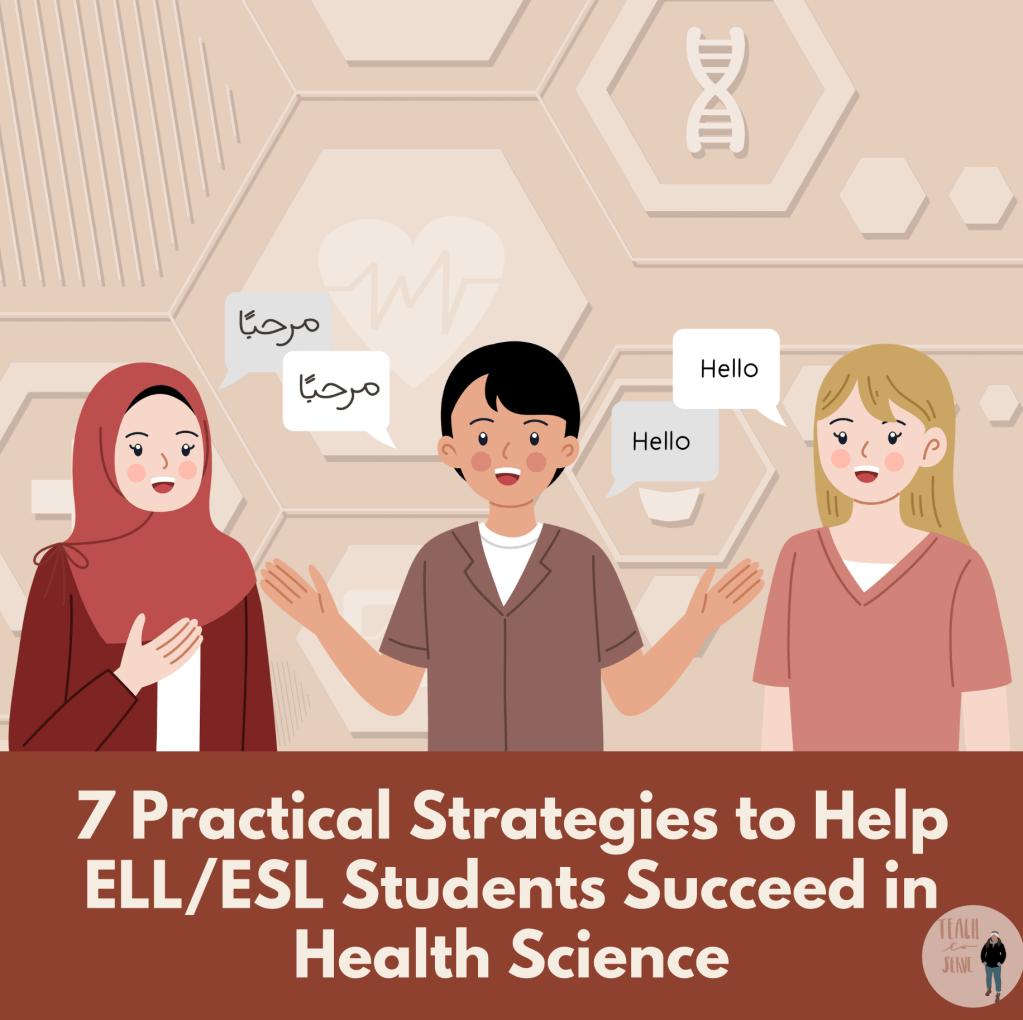
If you’ve ever had an ELL (English Language Learner) in your class who’s bright, hardworking, and motivated, but still struggling to keep up because of all the vocabulary and content… you are so not alone.
I teach various senior science courses (SBI3/4U and PSK4U) loaded with terminology, processes, and abstract systems. And I’ve learned over the years that content-heavy doesn’t have to mean language-heavy.
The key? Break down barriers and give students multiple pathways to access, engage with, and express their learning.
Here are 7 strategies I use regularly to help my ELL students feel confident, supported, and successful without watering down the learning:
1️⃣ Use Visuals (The More, The Better)

If I could only do one thing to support ELL students, this would be it.
Visuals anchor vocabulary. They allow students to make sense of complex content without relying solely on language.
I use:
🟧 Labeled diagrams
🟧 Colour-coded slide decks
🟧 Icons for movement types or body systems
🟧 Photos, sketches, and models during instruction
When we’re learning about muscles, for example, I’ll show a visual of the origin/insertion and model the movement with my own body. This helps students see the meaning before they have to describe it.
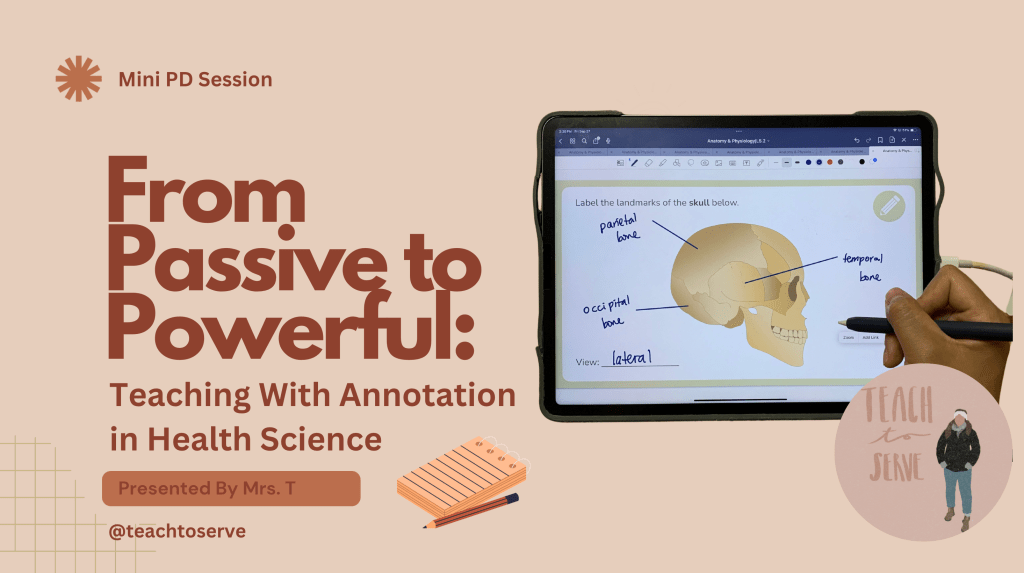
👀 Want to go deeper on this? I’ll be unpacking how I embed visual scaffolds into annotation and note-taking in my upcoming mini PD. Join my mailing list to RVSP!
2️⃣ Build a Word Wall (Yes, Even for High School)
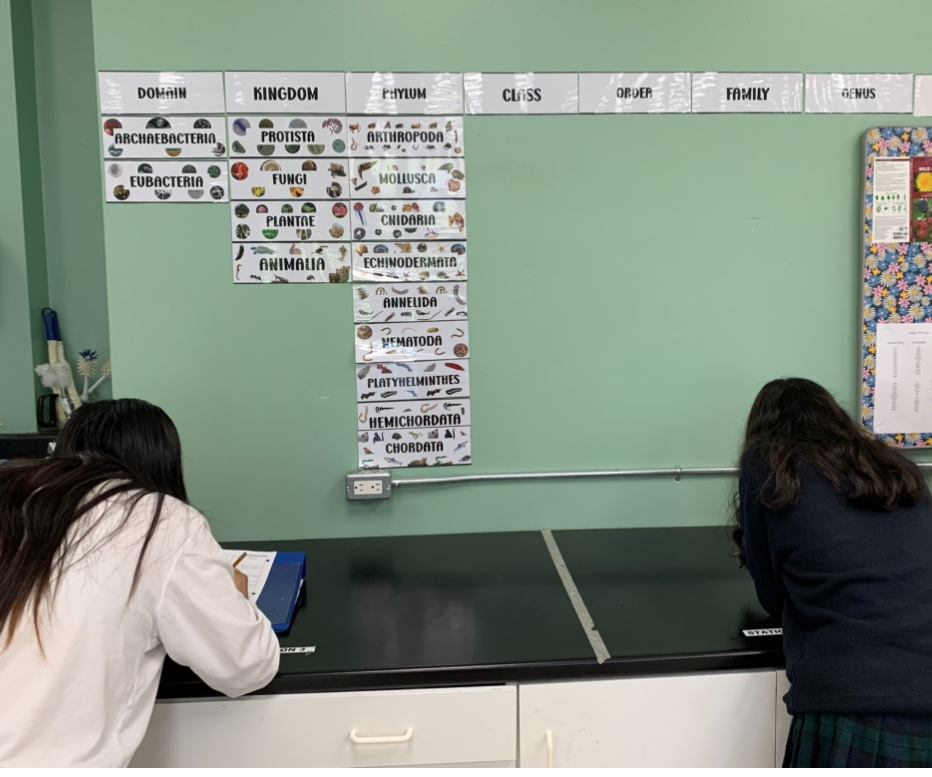
Word walls aren’t just for elementary. My students use ours constantly, especially during review or while working independently.
Here’s how I make it work:
- I display key terms for each unit (muscle names, movement types, cellular processes)
- I group them by system or function
- I pair each word with an icon or image when possible
- Students can physically grab laminated terms to use in activities!
📌 PRO TIP: You can assign students to create these and turn it into a collaborative project each unit.
For ELL students, it’s not just a reference, it’s a daily visual repetition that makes language less intimidating.
3️⃣ Teach Students How to Make Flashcards
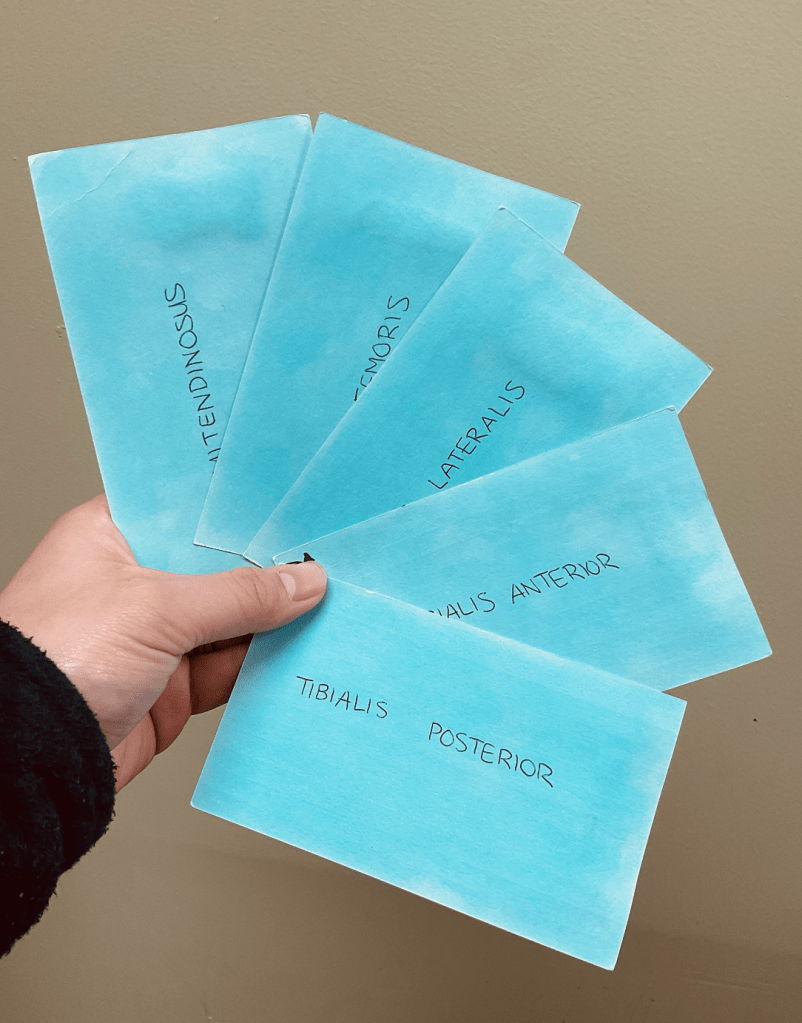

Flashcards are one of my go-to learning tools, especially for ELL students.
Here’s why:
- Creating cards forces students to choose important info
- They can include visuals or use their home language on one side
- It builds independent study habits and helps with long-term retention
In my anatomy unit, students make cards for each muscle’s origin, insertion, and function. We use them in partner quizzes, bell ringers, and self-assessment. (I wrote a post about 12 ways to utilize them, read it here.)
4️⃣ Use Prefix/Suffix Reference Sheets
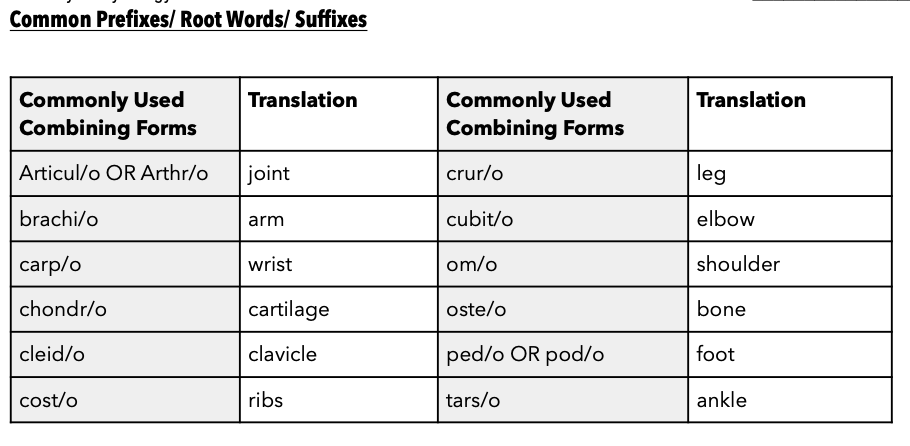
Let’s be honest: science terms can feel like a foreign language, even for fluent English speakers.
So I teach students to decode terms using prefixes, suffixes, and root words.
Once students realize that “gastro-” means stomach and “-itis” means inflammation… they’re not memorizing, they’re interpreting.
I create and distribute a reference sheet with the most common roots we encounter. It becomes a go-to tool during lessons, quizzes, and review.
Encouraging word analysis builds vocabulary and confidence.
🔗 I have a “common terms cheat sheet” included in this resource.
5️⃣ Incorporate Stations + Movement-Based Activities

ELL students (and honestly, all students) benefit from seeing content in action.
One of my favourite strategies? Using movement-based stations to reinforce abstract ideas. When we learn about planes and axes of movement, students perform motions in each plane so they can feel the differences—not just memorize the definitions.
This hands-on, low-pressure format is perfect for ELL students:
- They get to show understanding through movement
- They collaborate with peers and use language socially
- They build real connections between terms and actions
💡 Pro tip: Stations also keep energy up and reduce the pressure of traditional seatwork.
🔗 Check out this best seller if you teach anatomical terminology.
🔗 Check out this best seller if you teach muscle functions.
6️⃣ Offer Verbal Assessment Options
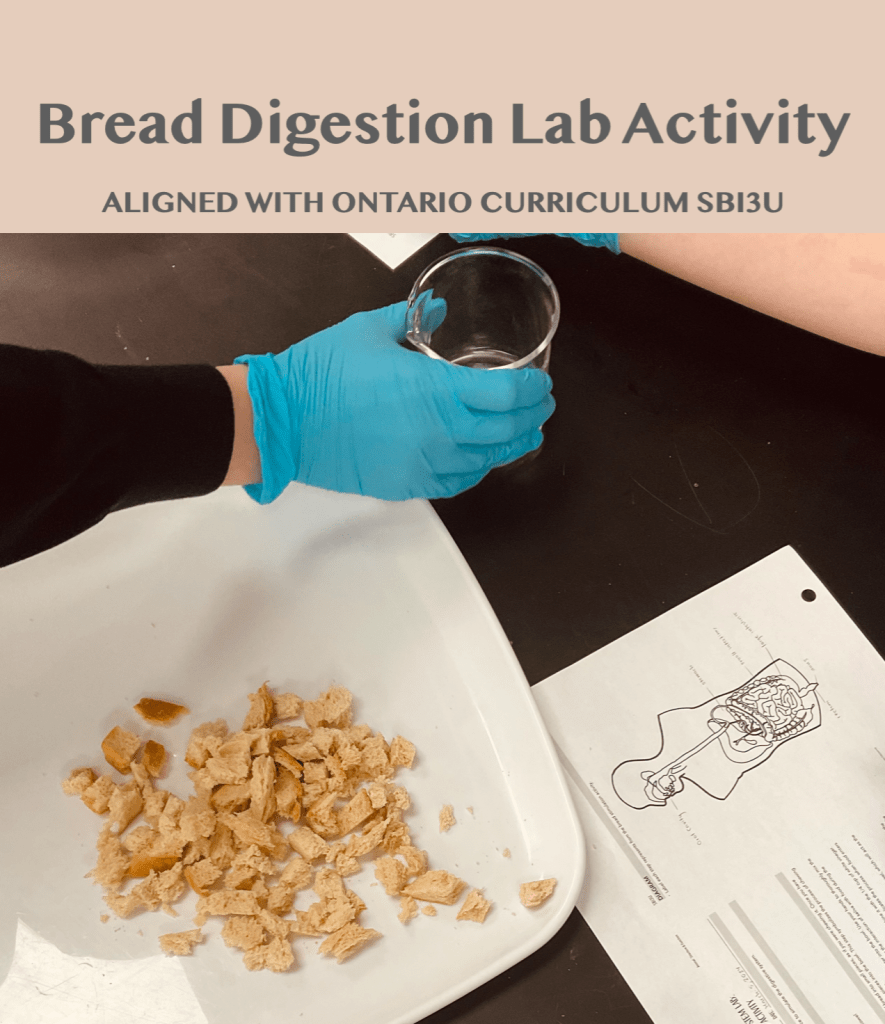
For many ELL students, writing can feel like a wall, even when they understand the content.
So I build in chances for verbal assessments and oral check-ins. One of my go-to examples is in my Digestive System Lab: students walk me through each stage of digestion using visuals, rather than filling out long written responses.
Benefits:
- Students explain in their own words
- I get a true read on their understanding
- They feel seen and capable
🔗 I’ve included this built-in oral assessment option in my digestive lab—check it out here.
7️⃣ Use Hands-On Labs That Prioritize Observation Over Writing

When language is a barrier, hands-on experiences can bridge the gap.
One of the most effective ways to support ELL students is by shifting from text-heavy instruction to learning through doing.
In my motor learning lab, students analyze a sport skills (ex: catching, throwing, or running) and reflect on how their performance improves. They explore stages of learning, types of feedback, and skill acquisition using observations.
Here’s why it works:
- Students see and feel the concepts in action
- Less language dependence = less overwhelm
- It reinforces content through experience, not just reading
Final thoughts…
Supporting ELL students in health science isn’t about simplifying the content, it’s about scaffolding access to it.
Through visuals, vocabulary support, movement, and hands-on learning, we can help all students (ELLs included), feel confident, capable, and excited to learn.
These aren’t just ELL strategies.
They’re good teaching strategies.
And most importantly?
They help us raise up students who know how to think, study, and advocate for themselves long after they leave our classroom.
🎯 Ready to try some of these ideas?
Start with one. Then build from there.
And if you need ready-to-go tools, check out the linked resources above. I’d love to support your journey!
Comment which strategy you will try!
I read and reply to every comment. Looking forward to hearing your thoughts and ideas!
PS: I’m building a Google Sheet full of free bio and kinesiology resources (virtual labs, games, articles, simulations) all organized by topic. I also send weekly emails with tips & resources.
 Teach to Serve
Leave a comment